Basis of Organic Gardening
Organic gardening is essential for fostering a sustainable lifestyle that prioritizes health, well-being, and food security. By nurturing plants without synthetic chemicals, we contribute to a cleaner environment, promoting biodiversity and healthier ecosystems.
This approach not only yields fresh and nutritious produce but also reduces our dependence on industrial food supply chains, which can be vulnerable to disruptions. Growing our own organic fruits and vegetables is a cost-effective way to ensure access to wholesome food while cultivating self-sufficiency and resilience in the face of economic uncertainties.
Embracing organic gardening practices empowers individuals and communities to take control of their food sources, ultimately leading to a healthier, more secure future for all.
How we farm organically
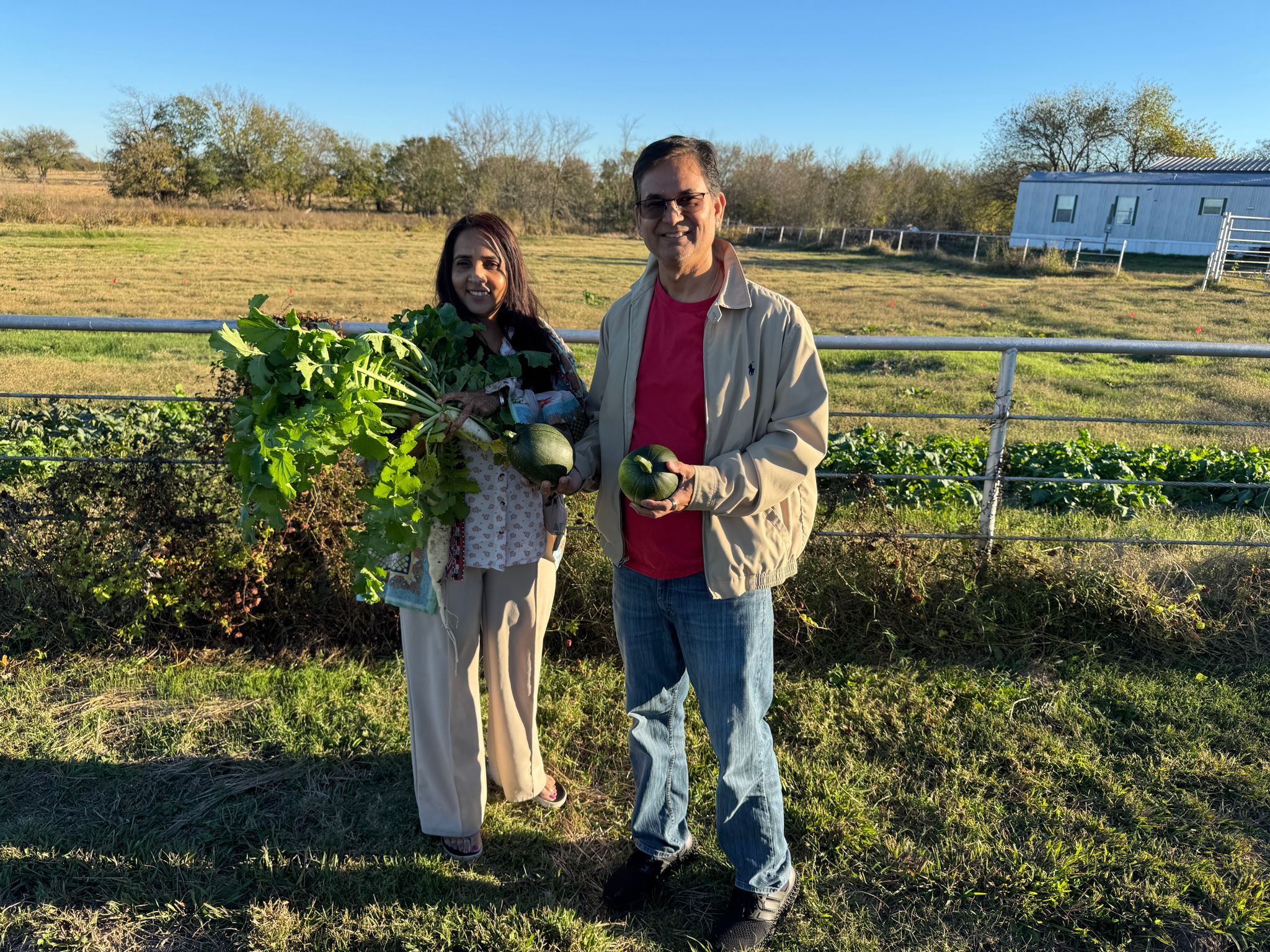
At Eco Farm Community, we are committed to farming practices that honor the earth and promote biodiversity.
Our approach is rooted inthe principles of organic farming, which means we never use synthetic fertilizers or pesticides. Instead, we enrich our soil naturally with food scraps and cow dung, creating a rich ecosystem that supports healthy plant growth.
We also rely on the natural rainfall cycles to irrigate our crops, minimizing water waste and ensuring that we choose plants that thrive in our specific environment. By focusing on native species and crops well-suited to our region, we cultivate a sustainable agricultural practice that respects the balance of nature, promotes soil health, and contributes to the overall well-being of our community.
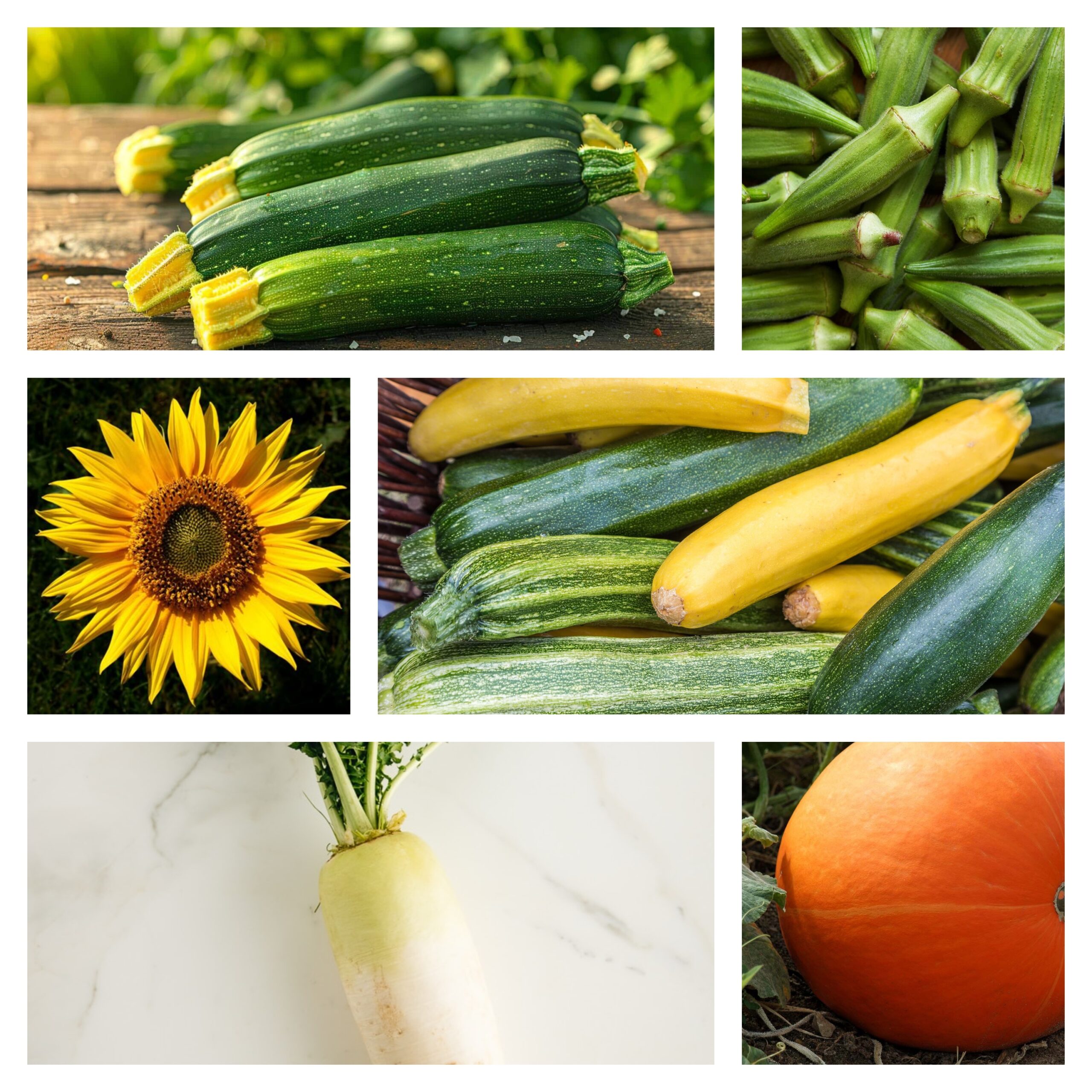
Spring Growing Season
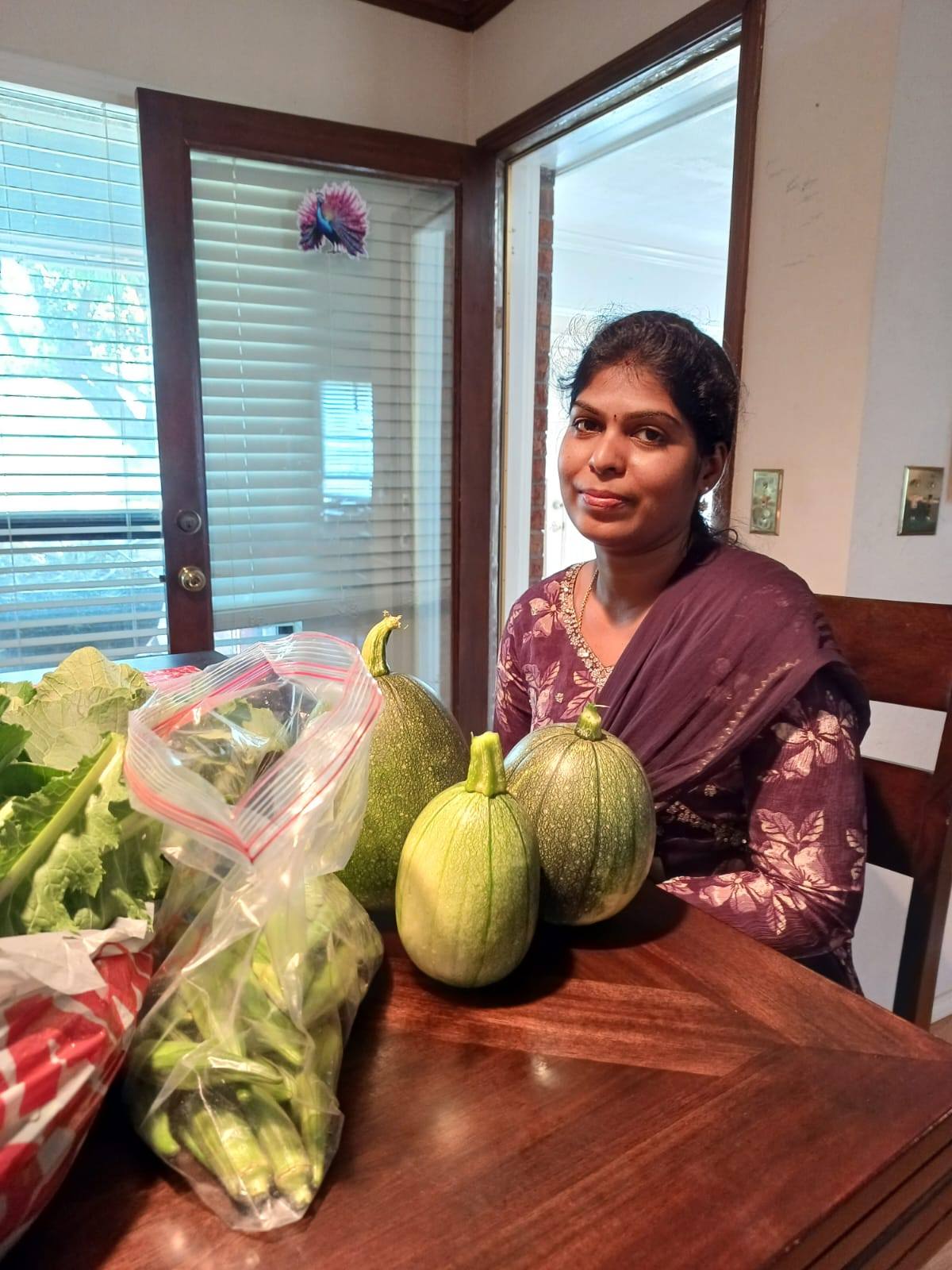
- Zucchini
- Sunflower
- Daikon
- Okra
- Squash
Fall Growing Season
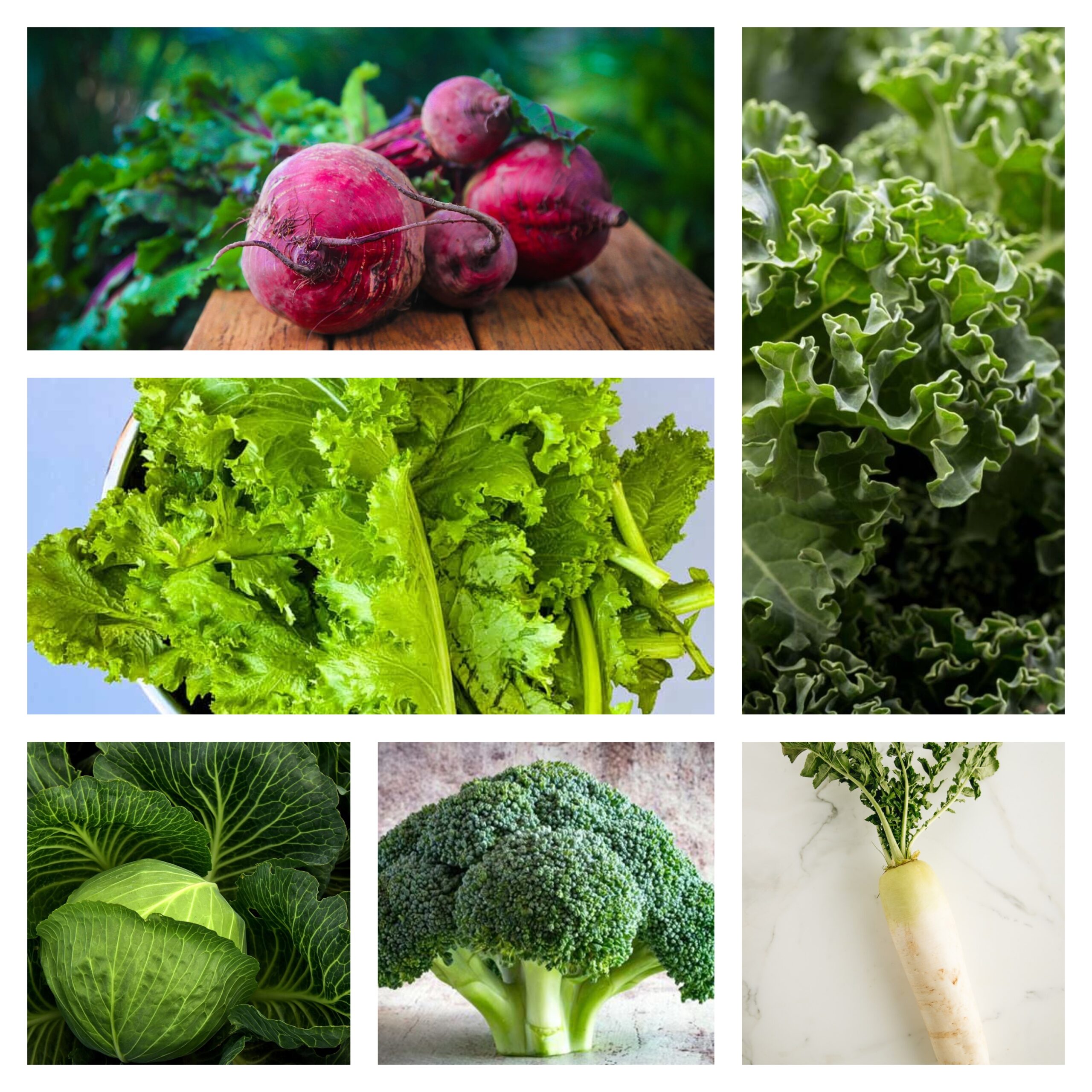
- Beetroot
- Broccoli
- Cabbage
- Mustard Greens
- Daikon